Maximizing Efficiency: The Role of Gang Sheets in DTF Printing
In the ever-evolving world of printing, efficiency and cost-effectiveness are paramount, especially for small business owners and entrepreneurs in the apparel industry. As the demand for high-quality prints continues to rise, understanding the nuances of printing methods like Direct to Film (DTF) becomes essential. One of the most innovative aspects of DTF printing that can significantly enhance productivity is the use of gang sheets. But what exactly are gang sheets, and how can they transform your printing process?
Gang sheets are essentially a technique where multiple designs are printed on a single sheet of film, allowing for better utilization of materials and reducing waste. For small business owners who often juggle tight budgets and time constraints, this method can lead to substantial savings and increased output. In this article, we will explore the various benefits of using gang sheets in DTF printing, how they streamline the overall process, and valuable tips for maximizing their effectiveness in your own operations.
As we delve deeper into the world of gang sheets, we will also consider the challenges that come with implementing this technique, as well as practical solutions to overcome them. Whether you are a seasoned printer or just starting out, understanding the mechanics of gang sheets can help you optimize your production workflow. Let's begin by examining the foundational aspects of gang sheets and how they integrate into the DTF printing process.
Understanding Gang Sheets in DTF Printing
Gang sheets serve as a crucial element in DTF printing by allowing multiple designs to be printed simultaneously on a single sheet. This method not only maximizes the use of printable materials but also minimizes the time spent on setup and production. The ability to print various designs in one go reduces the need for frequent changes in setups, which can often lead to extended downtime. For small businesses, this translates directly into increased productivity and profitability.
In traditional printing methods, each design typically requires its own setup, which can be time-consuming and costly. However, gang sheets streamline this process by allowing printers to combine several designs into one transfer. This capability not only conserves resources but also allows for bulk production of smaller designs, making it easier for businesses to cater to diverse customer demands. With these advantages, it's clear that integrating gang sheets into your DTF printing workflow can lead to significant improvements in operational efficiency.
Moreover, using gang sheets can help mitigate issues related to excess waste. In many printing scenarios, leftover materials from unused transfers are often discarded, which not only represents a waste of resources but also increases operational costs. By optimizing the layout of designs on gang sheets, businesses can minimize waste and utilize materials more effectively. This not only contributes to cost savings but also aligns with sustainable practices that many consumers value today.
Benefits of Using Gang Sheets
The primary benefit of gang sheets is their ability to enhance efficiency in the printing process. By consolidating multiple designs into one print run, printers can achieve faster turnaround times and reduce operational costs. Additionally, this method allows for better inventory management, as businesses can print only what they need without excess waste.
Another key advantage is the flexibility that gang sheets offer. Small business owners can experiment with various designs, allowing them to diversify their offerings without the burden of additional setup costs. This flexibility is particularly useful in the apparel industry, where trends can rapidly change and customer preferences can vary significantly.
Cost-Effectiveness of Gang Sheets
Cost-effectiveness is a critical concern for small business owners, and gang sheets address this by maximizing material usage. By fitting multiple designs onto a single sheet, businesses can reduce the overall cost per unit, allowing them to maintain competitive pricing while still achieving a healthy profit margin. This can be particularly beneficial for businesses looking to expand their product lines without incurring significant additional costs.
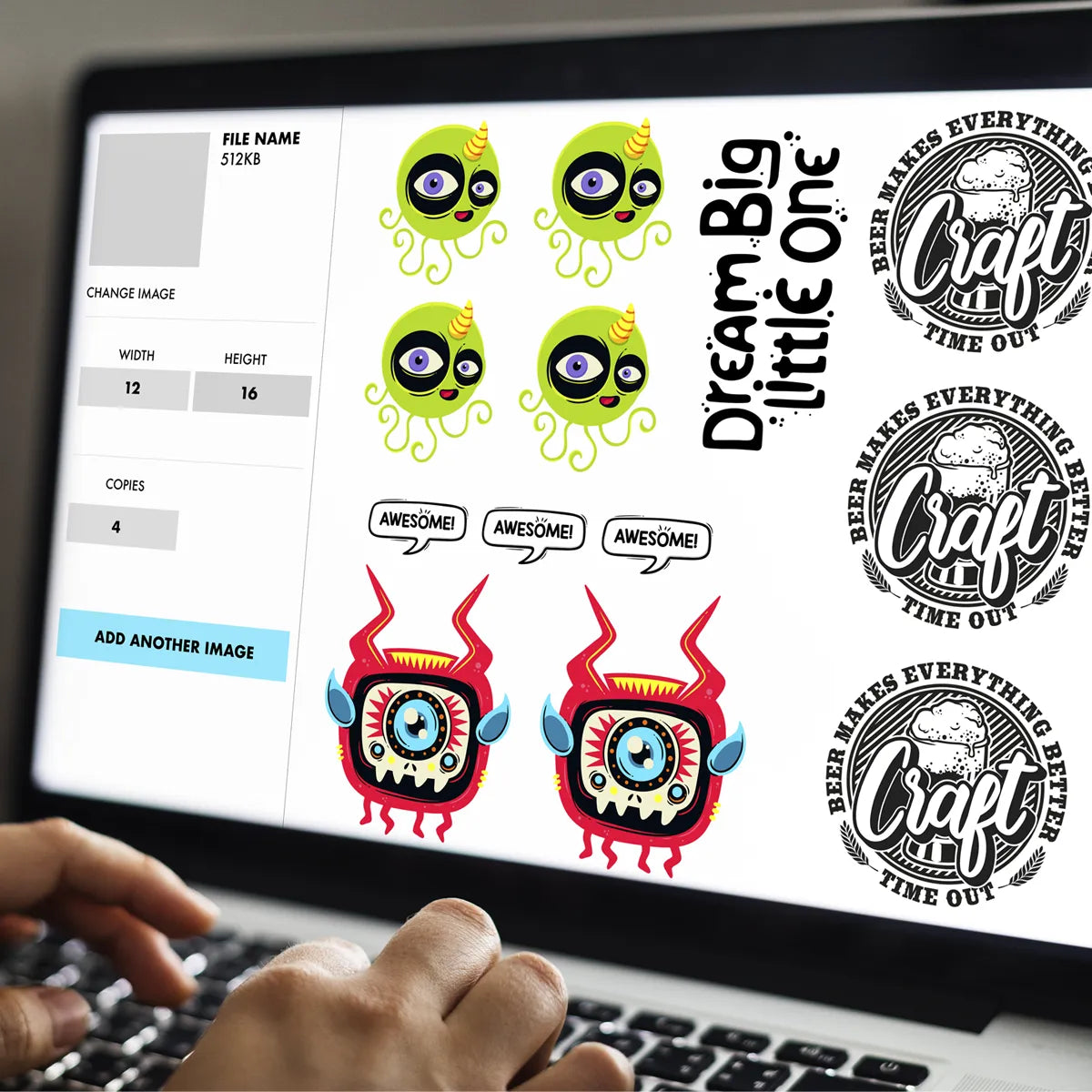
Furthermore, the reduced setup time associated with gang sheets means that businesses can allocate their resources more effectively. Instead of spending hours setting up for each individual design, printers can focus more on actual production, leading to increased output and efficiency. This shift not only enhances productivity but also allows businesses to take on more orders, ultimately driving revenue growth.
Improved Quality Control
Another often-overlooked advantage of gang sheets is the improvement in quality control. When multiple designs are printed on the same sheet, it becomes easier to monitor the quality of the prints. Any issues that arise can be identified and addressed before the entire batch is completed, reducing the risk of costly reprints and ensuring customer satisfaction.
This method of printing also allows for a more consistent finish across designs, as they are processed together under the same conditions. This uniformity can lead to a more professional appearance in the final products, which is essential for maintaining brand reputation in a competitive market. As businesses strive to provide high-quality products, utilizing gang sheets can be a significant asset in achieving this goal.
Challenges of Implementing Gang Sheets
While gang sheets offer numerous advantages, there are also challenges that small business owners may encounter when implementing this technique. One of the primary challenges is the need for precise design layout. Combining multiple designs into one sheet requires careful planning and attention to detail to ensure that each design is properly positioned and that there is no overlap or misalignment.
Additionally, businesses may face difficulties related to software and technology. Not all DTF printers are equipped to handle gang sheets, which can require an investment in new technology or software solutions. For some small business owners, this initial investment may seem daunting, especially if they are still trying to establish their operations. However, the long-term benefits often outweigh the upfront costs. EazyDTF Products
Moreover, there can be a learning curve associated with mastering the layout process for gang sheets. Small business owners may need to invest time in training or experimentation to fully leverage the benefits of this printing method. However, with the right approach and resources, these challenges can be effectively overcome.
Design Layout Considerations
When creating gang sheets, meticulous design layout is essential. Each design must be arranged in a way that maximizes space while ensuring that there is enough margin between them to prevent misalignment during the printing process. Using design software that supports gang sheet layouts can streamline this process, but it requires a certain level of expertise.
It's also important to consider the size of the designs in relation to the overall sheet size. Designs that are too large may not fit appropriately, while those that are too small may waste valuable material. Striking the right balance is key to optimizing the benefits of gang sheets.
Technology and Software Solutions
Investing in the right technology and software is crucial for successfully implementing gang sheets. Many modern DTF printers come equipped with advanced features that facilitate gang sheet printing, but it’s essential to select equipment that aligns with your specific business needs. Researching software options that specialize in gang sheet layouts can also be beneficial, as these tools can save time and improve overall accuracy.
Moreover, training employees on how to use these technologies effectively can make a significant difference in the success of your gang sheet printing operations. Providing adequate training ensures that your team is well-equipped to handle the intricacies of gang sheets, ultimately leading to improved efficiency and quality.
Maximizing Efficiency with Gang Sheets
To truly maximize the efficiency gained from gang sheets, small business owners should consider implementing a systematic approach to their printing processes. This includes regularly reviewing design layouts, optimizing production schedules, and continually investing in training and technology. By adopting a proactive approach, businesses can stay ahead of the competition and respond quickly to changing market demands.
Another effective strategy is to analyze production data and identify patterns that can inform future printing decisions. By understanding which designs are most popular or which combinations yield the best results, businesses can make informed choices about their gang sheet layouts. This data-driven approach not only enhances operational efficiency but also aligns production processes with customer preferences.
Creating a Workflow for Gang Sheets
Establishing a clear workflow for creating and utilizing gang sheets can streamline operations significantly. This workflow may include steps for design selection, layout optimization, printing, and quality control. By defining each stage of the process, business owners can ensure that all team members are on the same page and that production runs smoothly. EazyDTF Gang Sheets
Additionally, integrating feedback loops into this workflow can help identify areas for improvement. Regular team meetings to discuss challenges and successes can foster a culture of continuous improvement, ultimately leading to better results in gang sheet production.
Leveraging Customer Feedback
Customer feedback is invaluable in refining the use of gang sheets. By soliciting input from clients about their preferences and any issues they may encounter, businesses can make necessary adjustments to their offerings. This not only enhances customer satisfaction but also drives repeat business, which is essential for small businesses looking to establish a loyal customer base. personalize dtf gang sheets
Furthermore, actively engaging with customers can lead to insights that inform future design choices. Being attuned to customer needs can help businesses tailor their gang sheets to better align with market demand, ensuring ongoing relevance and competitiveness.
Table of Common Gang Sheet Sizes and Layouts
| Sheet Size | Designs per Sheet | Common Uses |
|---|---|---|
| 12" x 12" | 4 | Small designs for t-shirts |
| 12" x 18" | 6 | Medium designs for hoodies |
| 24" x 36" | 12 | Large bulk orders |
| 18" x 24" | 8 | Assorted designs for various products |
| 36" x 48" | 20 | Large format printing |
This table highlights common sheet sizes and their respective design capacities. Understanding these dimensions can help small business owners select the appropriate gang sheet sizes for their specific printing needs, ensuring optimal efficiency and resource utilization.
Pros and Cons
- Pros:
- Increased Efficiency: By consolidating multiple designs into a single print run, businesses can streamline their production processes and reduce setup times.
- Cost Savings: Gang sheets reduce waste and lower the overall cost per unit, making them a cost-effective solution for small businesses.
- Flexibility: This method allows for a diverse range of designs to be printed simultaneously, catering to varying customer preferences.
- Improved Quality Control: Monitoring quality becomes easier when multiple designs are printed together, allowing for timely adjustments.
- Cons:
- Design Complexity: Creating effective gang sheets requires precise layout planning, which can be challenging for inexperienced users.
- Initial Investment: Some businesses may need to invest in new technology or software to effectively implement gang sheets.
- Learning Curve: Training staff on the new systems may take time, potentially disrupting existing workflows.
When weighing the pros and cons of gang sheets, it is essential to consider how the benefits, such as increased efficiency and cost savings, align with the potential drawbacks. For many small business owners, the advantages far outweigh the challenges, making gang sheets a valuable addition to their printing processes.
Frequently Asked Questions
- What are gang sheets?
Gang sheets are sheets that contain multiple designs printed together in a single run. This technique maximizes material usage and reduces waste, making it a popular choice in DTF printing.
- How do gang sheets improve efficiency?
By allowing multiple designs to be printed simultaneously, gang sheets significantly reduce setup times and streamline the production process, leading to faster turnaround times and increased productivity.
- Are there specific software tools for creating gang sheets?
Yes, there are various software solutions designed to help create layouts for gang sheets. These tools can assist in optimizing design placement and ensuring accurate printing.
- Can gang sheets be used for all types of designs?
While gang sheets are versatile, not all designs may be suitable for this method. It's essential to consider size, complexity, and alignment when planning gang sheet layouts.
- What challenges might I face when using gang sheets?
Common challenges include design layout complexities, technology requirements, and a learning curve for staff. However, with proper planning and training, these can be effectively managed.
Conclusion
In conclusion, gang sheets represent a powerful tool for small business owners in the DTF printing industry. By maximizing efficiency and minimizing waste, they offer substantial benefits that can lead to increased productivity and cost savings. While the implementation of gang sheets may present certain challenges, the potential for enhanced quality control, flexibility, and overall business growth makes them an invaluable asset. By investing in the right technology and fostering a culture of continuous improvement, entrepreneurs can leverage gang sheets to stay competitive in a rapidly changing market. Embracing this innovative technique not only aligns with the goals of efficiency and sustainability but also positions businesses for long-term success.


No comments:
Post a Comment